HEALTH & WELLNESS 
New Alzheimers Treatment
Healthy Amador Begins
Cosmetic Surgeries
A New Treatment for Heart Disease
The Side Effect of Cancer
Baby Boomers and Medicare
Food that lower Stress
Best way to eat Fruit
Toxic Stress impact on children
Diabetes, a Roller Coaster Ride
Wraps for Backs
Fish and Omega3
The Best Way to check for Fever
Elder Abuse
Fortified Foods
Fencing
Staying Young
Prescription for Good Health
Massage - More than Feel Good
The Numbers Game
Strength Training, is it for you?
A Healthier Lifestyle
The Patient Channel
Carbohydrates Matter
The Sweet Low Down
The Healthy Senior
Foil wrapped Chicken
Summertime Focus
|
|
Cosmetic surgeries
The U.S. has seen a consistent 9% increase of these surgeries throughout the recession and are projected to reach a record of more than $15 billion in 2012. Liposuction is the fourth most common, with more than 200,000 performed in 2011 alone. Also on the rise are a dizzying array of non-surgical ‘fat reduction’ procedures that promise to shrink waistlines, eliminate the ‘love handles’ and destroy fat. Most do none of the above and many aren’t even designed to affect fat cells. But they sell.
With Americans growing increasingly obese, the non-surgical fat-reduction industry experienced an explosion in products and procedures this past year with everything from chemical injectibles, lasers, radio-frequency heating to rubber suits and pills. "It’s such a crowded marketplace that we’ve confused patients and converted our industry into a circus with barkers and pitchmen selling a lot of junk," says Bill Johnson, M.D. "Doctors know better, but consumers have a hard time sorting out science from science fiction."
Johnson is the Medical Director of Innovations Medical in Dallas and has been on the leading edge of the elective body shaping industry in Texas. For almost a decade, he has investigated the claims of fat-reduction technologies to build his practice and service patients. He separates the procedures into three categories: those that don’t work, those that are effective for skin treatment only, and those that effectively reduce fat.
The Fakes:
"In the first category, nothing is FDA-approved or effective," says Johnson "and we can group all the chemical injectibles, wraps and rubber suits under the heading of junk medicine." For example, Mesotherapy claims chemical mixes injected or inserted under the skin can reduce fat but little medical science supports the concept. Rubber suits are touted for weight loss, not fat reduction. Herbal and contour body wraps are advertised for safe and reliable weight loss, but again no medical science indicates they produce results. Yet these procedures generate millions in sales every year.
The Skin Treatments:
"In the second category, we have a lot of skin treatments that smooth out and tighten the skin, but do little or nothing to reduce fat," says Johnson. "Some of them do help improve the waistline, thighs or arms, but they do not affect fat cells." Several of the more popular treatments include Thermage, Accent, and Ulthera, which treat wrinkles and skin imperfections using radio frequencies to heat the subcutaneous collagen. This process generates the growth of new collagen, tightening the skin. These three procedures have been approved by the FDA.
"Unfortunately, we’ve had a lot of ‘copy-cat’ procedures that have come along lately, designed to sound effective, but they’re not," he says. Tripollar, VellaSmooth and VellaShape are three of the similar-sounding procedures that are attracting attention. They each use a slightly different combination of laser, massage and RF frequencies to destroy fat cells, but Johnson says they have little medical science to corroborate the claims.
The Real McCoys:
"In the third category, we have the real deal," says Johnson. "This is the Holy Grail of elective medicine because we can finally do what everyone has wanted for so long. That is, kill fat cells permanently without an incision." Johnson educates his patients daily on the facts and fiction of the fat-removal industry. "To be clear, however, even these procedures don’t eliminate fat from your body," he says. "They eliminate individual fat cells, allowing the body to reabsorb and metabolize the fat normally." Johnson says the two most effective treatments in this category are LipoSonix and CoolSculpting. LipoSonix is FDA-approved for fat reduction and uses advanced concentrations of ultrasound to agitate fat cells beneath the skin, destroying them permanently and forcing the fat to be re-deployed elsewhere. The second, CoolSculpting, is a technology developed by Zeltiq and has not yet received FDA approval for fat reduction, but effectively uses a cooling technique to do the same. The fat cells are cooled to a temperature just above freezing, which triggers a natural metabolic process to eliminate them.
An alternative therapy is Zerona that uses a low-level laser to liquefy fat, but leaves the cells in place, the fat tends to return to the same areas over time. In addition, it has not been approved by the FDA for fat removal. "Until we have some objective metric to rate the effectiveness of these procedures, patients will have to arm themselves with good information," says Johnson. "That means asking the right questions and knowing the science."
A new treatment for heart disease is allowing patients to get the exercise they need to improve their cardiovascular health even while they sleep, watch TV, talk or listen to music. Called "EECP® therapy", the painless procedure has the patient lie down on a comfortable padded table while three sets of inflatable cuffs, similar to blood pressure cuffs, are wrapped around their calves, thighs and buttocks. Triggered by the patient’s own heart beat, the cuffs are inflated with air during the heart’s resting phase, gently squeezing the lower body and pumping extra blood throughout the body, especially to the heart and coronary arteries.
"EECP therapy gives mill-ions of patients suffering from angina and heart failure the benefit of vigorous exercise despite the patient’s limitations; it is exercise for those who cannot exercise," says Dr. Soran. Dr. Soran says patients who don’t feel like napping can read, listen to music, or chat with other patients during the non-invasive treatment, which is delivered on an outpatient basis in a series of daily one-hour sessions.
"The additional blood flow through the arteries stimulates the cells which line the arteries, improving their health and actually reversing arterial inflammation and the hardening of the arteries often associated with cardiovascular disease," says Dr. Soran. Dr. Soran says EECP therapy’s safety and effectiveness have been documented in over 160 publications and peer-reviewed medical society journals, showing 75 to 80 percent of patients who receive the therapy obtain relief of symptoms associated with heart and circulatory problems for up to 5 years.
Dr. Soran says EECP therapy is typically prescribed by cardiologists whose patients have already undergone prior invasive procedures, like stenting and coronary bypass, but still suffer from chest pains and other angina equivalent symptoms (fatigue and shortness of breath). "EECP therapy can relieve pain and return mobility to pa-tients who are ineligible or not good candidates to receive invasive procedures, but EECP therapy can be an effective first option for millions suffering from certain/selected types of coronary artery disease prior to any other interventional procedures," says Dr. Soran. EECP therapy is covered by Medicare/most private insurers.
The Side Effect of Cancer is Death
By Holly Pitt Young
In February, cancer patients received some scary news: Avastin, the world's best-selling cancer medicine, can have serious side effects. According to a new study by researchers at the Stony Brook University Cancer Center in New York, the chance of dying from side effects linked to the drug is higher than the risk for patients on chemotherapy alone.
Patients currently using or considering Avastin should talk to their doctors about the risks. But what really frightens many patients - like my mother who was diagnosed with Stage IV colon cancer - is how this news will affect their access to treatment that has the potential to significantly extend the time they have left. There aren't many treatment options for terminally ill cancer patients. So, for my mother, Avastin truly is a miracle drug. While Avastin cannot cure her disease, it has eased her pain and given her time - time to spend with her daughter, her grand-children, and the many other friends and family who love her.
My mother has colon cancer, but doctors commonly prescribe Avastin for other cancers as well. Thousands of patients have benefited from Avastin and enjoyed more time with their loved ones. Now, however, the Food and Drug Administration (FDA) is considering revocation of Avastin's approval for use in treating breast cancer. The reason? An internal advisory panel of 13 experts - only two of whom are breast cancer oncologists - decided that the drug did not deliver "clinically meaningful" results, and that its side effects outweighed the benefits.
In December, the FDA sided with its panel -- and started the necessary steps to withdraw Avastin for advanced breast cancer. Avastin's developer, Genentech, has appealed the decision, and the FDA will render its final judgment later this month. The new Stony Brook study would seem to buttress the panel's reasoning. Yet there is an important element strangely missing from the FDA review. It's the context in which cancer treatment with Avastin takes place. There are two simple facts that loom large in assessing treatment options. First, all drugs have side effects. Second, the side effect of untreated late-stage cancer is death.
To their credit, the Stony Brook researchers recognize this context. Dr. Shenhong Wu, the study's senior author, emphasized that deaths from Avastin's side effects are rare - just 1% of all patients - and that the small risk should be weighed against the drug's benefits. Further complicating the results, the new study includes cancer types for which Avastin isn't approved, and in one case, a cancer - squamous cell lung cancer - for which Genentech itself says the drug should not be used. The inclusion of these cancers in the study means that the 1 % risk is probably even smaller for the majority of patients taking Avastin.
Compare these findings to the known benefits of Avastin - not just the many stories from families like mine who have seen firsthand the good it can do, but also the numerous large clinical trials demonstrating the drug's effectiveness. In these tests, nearly half of the breast cancer patients treated with Avastin saw their tumors reduced in size. More than half saw their lives extended by months. For many patients fighting late-stage breast cancer, this will not be a hard choice - a less than 1 % chance of dying from side effects caused by their medicine versus a 100 % chance of dying from their cancer. Their doctors are likely to make the same calculation. No matter what the FDA decides, Avastin will still be available to breast cancer patients. Doctors will continue to prescribe it on an "off-label" basis. But without the FDA's approval, many insurers will decide not cover it, making the drug unaffordable to all but the wealthy.
Women with breast cancer deserve access to every possible cancer-fighting tool. It would be a mistake to allow a small risk - however serious - to reduce the number of treatment options avail-able to them. For some, inevitably, the treatment will be ineffective, and for a tiny fraction, the side effects may hasten the inevitable. But for others, Avastin could turn out to be the miracle drug for which they and their families were praying - just like for my mother and our family. These cancer patients deserve a choice and a chance. Holly Pitt Young, a consultant in Washington, D.C., focuses on the crossroads between policy and political engagement.
Back to Top
What do California "Baby Boomers" need to know about Medicare?
On January 1, 2011, the first "official" California baby boomers turned 65 and become eligible for Medicare benefits. Adventuresome boomers could go to the official government website http://medicare.gov and read the 123 pages of detailed government speak or they might try a new approach. A group of "Early Baby Boomers" started to ex-amine their options and found a lot of information that was often confusing and overwhelming. These Early Baby Boomers have researched and simplified information about Medicare, Medigap and other life questions into a brief and easy to follow web site. "Since we had difficult experiences with the Medicare information, we thought it might be helpful to to share our discoveries and recommendations in a format that was brief and succinct" says Jean Ramsay, Project Leader of the "Early Baby Boomers."
Their website, http://www.ababyboomersguide.com, uses humor to help people grasp the basics of Medicare. This website could be called the "Completely Abridged Guide to Understanding Medicare" be-cause it simplifies Medicare Part A, Part B, Part C, Medigap Supplemental Plans, and Part D the Prescription Plan. Medicare is health Insurance for people 65 & older as well as some under 65 with certain disabilities. Info: 520-777-1968.
6 Foods that Lower Stress!
Whatever the cause of stress, it wrecks havoc within our bodies. It's never too late to start fortifying yourself against stress. Our economy, our relationships, our jobs, our families, bills, traffic, pets, and almost anything can cause or trigger stress. Here are some great ways to fight back. Oatmeal - complex carbs stimulate the brain chemical serotonin which calms us. Mint - a digestive aid that calms your stomach and quiets your body. Use with chamomile tea for a double dose of relaxation. Dark Chocolate - a comfort food for many, it has serotonin and flavonoids. Kidney Beans - antioxidants in these beans fight the bodies toxins that lead to stress. The balance of proteins and carbs keep your blood sugars level and your mood stable. Tomatoes - abundant in potassium, helps lower blood pressure and keeps you calm. Bananas - rich in potassium and vitamin B6, raises the chemical dopamine in the brain, making you calm. Avoid sweets and sugar as high sugar spikes causes mood swings; chili peppers or spicy foods as they rev up metabolism and cause stress-induced responses. A balance of carbs, proteins and natural sugars keeps stress low and energy high. Like those in Mighty Mom snacks, info at http://nutrifitonline.com.
What is the correct way of eating fruits?
It means not eating fruits after your meals! Fruits should be eaten on an empty stomach. If you eat fruit like that, it will play a major role to detoxify your system, supplying you with a great deal of energy for weight loss and other life activities. You have heard people complaining - every time I eat watermelon I burp, when I eat a banana I am in the bathroom fast - actually all this will not arise if you eat the fruit on an empty stomach. The fruit mixes with the putrefying other food and produces gas and hence you will bloat! Graying hair, balding, nervous outburst, and dark circles under the eyes; all these will not happen if you take fruits on an empty stomach. There is no such thing as some fruits, like orange and lemon are acidic, because all fruits become alkaline in our body, according to Dr. Herbert Shelton who did research on this matter. If you have mastered the correct way of eating fruits, you have the secret of beauty, longevity, health, energy, happiness and normal weight. When you need to drink fruit juice - drink only fresh fruit juice, NOT from the cans. Eating a whole fruit is better than drinking the juice. If you should drink the juice, drink it mouthful by mouthful slowly, because you must let it mix with your saliva before swallowing it. You can go on a 3-day fruit fast to cleanse your body. Just eat fruits and drink fruit juice throughout the 3 days and you will be surprised when your friends tell you how radiant and energetic you look!
Toxic Stress and its Impact on Children
Stress is an inevitable part of life. It helps children develop the skills they need to cope with and adapt to new and potentially threatening situations throughout life. However, the beneficial aspects of stress diminish when it is severe enough to overwhelm a child's ability to cope effectively. Toxic stress results from in-tense adverse experiences that may be sustained over a long period of time—weeks, months or even years. Examples of toxic stress are extreme poverty, abuse and neglect, or exposure to violence. (Even the brains of newborns are adversely affected by hearing or seeing violence.) Intensive and prolonged stress can lead to a variety of short and long-term negative health effects. It can disrupt early brain development and compromise functioning of the nervous and immune systems.
In addition, childhood stress can lead to health problems later in life including alcoholism, depression, eating disorders, heart disease, cancer, and other chronic diseases. Stable, caring relationships with family members, extended family members, early care and education providers, and members of the community can prevent or reverse the damaging effects of toxic stress. Whether you are a caring professional who works with children or simply a next-door neighbor, it is vital that you recognize the impact you can have on the children around you. To make a difference in the life of a child does not require a super-human effort. A chance encounter can be an opportunity to provide a simple, positive experience for a child. The difference between a child who succeeds and one who fails can be a caring adult who took time to be supportive.
Diabetes, a Rollercoaster Ride
by Eva Dunn
At 18, I could not gain weight to save my life. I really tried, especially for the Miss Rancho Cordova Beauty contest, as I was a bit underweight at 90 pounds. When I had my babies after the age of 25, my metabolism changed dramatically and it was difficult to lose the weight after each birth.
Twenty years later found me sixty pounds overweight and still struggling to gain control. Then, suddenly, I was losing weight without even trying. It just seemed to melt off no matter what I ate. I was so excited that I did not notice that I was incredibly thirsty most of the time, that I had strong urges to urinate often, or that I was extremely exhausted most days. Weeks later, I was diagnosed with Type II Diabetes. I walked into a doctor's office for treatment for a stomach ache, and left with diabetes. He stepped into the full waiting room and asked me in front of everyone, "Oh, by the way, did you know you have diabetes? I just checked your blood work"
It stunned me, it was like time stopped, world stopped spinning, everyone was in slow mo, staring at me. Diabetes! It sounded like a death sentence. Diabetes is a chronic condition in which the body produces too little insulin or can't use available insulin efficiently. Insulin is a hormone vital to helping the body use digested food for growth and energy. More people die every year from diabetes than from Cancer and AIDS combined. Untreated, diabetes can cause long-term complications that affect almost every part of the body. Diabetes ran in my family; my father, my aunt and my grandmother had it.
This news stunned me into self-denial for almost four years, and I ignored my illness. My emotions ran from disbelief to fear, to anger and then fell deep into self pity, a roller coaster ride that was out of control. There were no miracles or instant cures; I finally had to make a conscious decision to address and manage my chronic illness, to be proactive in my day-to-day management of diabetes. Before that decision came, I consumed sugary foods and high-carb foods to appease my depression, serving myself huge food portions at each meal, drinking a minimum of a 6-pack of Pepsi daily. Who knows how much damage I did to my body during that time, to my organs--damage that will play out in the next decade or so.
Heredity and lifestyle factors such as lack of exercise, a poor diet, and stress played heavily to initiate Type II diabetes in my life. I was constantly tired, and unable to accomplish what I once could; this forced me to give up healthy, recreational activities like dancing, hiking, and gardening. I wallowed in self pity and fed it. By December 2001, I was off work on disability leave, first for blood clots, and then for angina, in deep depression and in so much pain that I could hardly sleep at night. I was now on regular insulin, a rotation of several diabetic medications, and NPH insulin at night, all to try to regulate my high blood sugars. Their side effects also included weight gain, headaches, and severe gastro distress.
They did their job; my blood sugar levels went from 450 to 280, although still high. I was put on antidepressants; now I was taking a total of eight medications, including one for elevated blood pressure, Zantac for my stomach distress, and ocular eye drops to decrease the eye pressure (diabetes can cause Glaucoma). I was now confined to a wheelchair, as the numbness in my toes caused me to stumble and fall often. It was at this point that I was sick and tired of being so sick and tired and of all the pain. I wanted to improve my health as much as possible and so I started by taking myself off the anti-depression medication that made it difficult to function at all. I also needed to understand this disease, so I started researching diabetes online--reading about carbohydrates, fat, sodium, sugar, and protein content of foods and how they affected my body as a diabetic. Diabetes is different for each person and its treatment will be different. To be a good manager of your own health, you need to communicate with your doctor and together work towards better health and successfully manage your diabetes.
I started pool exercises. It was very difficult at first, but I was amazed at how fast the swelling in my legs was reduced, and I had more energy. I started to attend support groups offered by the hospital, classes I had spurned before. From pain management, to learning about foods and their effect on our bodies to cholesterol classes, I went to all of them. I had been living for almost two years with my blood sugars at 250 daily; the normal level was 100-125 daily. I joined an online study group on Chronic Long term Illness that the Stanford University had just created. I worked hard, learning about activities I could do despite my illness and fitting in a diet regime I could live with.
There is so much to learn about healthy eating, because much of what we eat is not natural, but processed. I learned about the glycemic index of foods and the importance of my food choices to manage my blood sugars, to find and use community resources to increase my mobility; to talk openly about my illness with family and friends, drawing upon the best support group I could possibly have. Managing my blood sugars through proper eating habits resulted in a drop in my total cholesterol from 238 mg/dl to 193 mg/dl and the LDL went from 161 mg/dl to 103 mg/dl within one month.
We need to make informed decisions about the foods we eat, the foods we feed our families, the food our children eat at school, even the food our teenagers buy from vending machines. Involve your children in meal planning activities; cook at home as opposed to eating out so often. Remember that calories are not everything--saturated fats, trans fats, sodium, and sugar--all matter. We have to stop the generational crossing of chronic illness due to diet and lifestyle. Health is a gift. Start a new legacy in your family, one of wellness and health.
Back to Top
Wraps for Backs
People with lower back pain may want to reach for a heat wrap rather than ibuprofen or acetaminophen, especially if they're seeking long-lasting relief. The heat wrap eased pain for more than 48 hours in a recent study, providing 33 percent more relief than ibuprofen and 52 percent more than acetaminophen.
The heat also increased muscle relaxation and trunk flexibility in the lower back, while ibuprofen and acetaminophen did neither. Unlike ice, which is generally used to reduce inflammation, heat improves blood flow, loosening up the muscles and easing aches. Hot pads or baths may also offer benefits, but heat wraps allow people to go about their normal activities while being treated--a key element for reducing pain. Back to Top
Fish
Vitamin D is produced by the body when it is exposed to sunlight and a deficiency of it over the winter months is thought to be one of the causes of SAD (seasonal affective disorder). Found in especially high levels in fish, vitamin D might help relieve mood disorders by increasing the amount of serotonin - one of the neurotransmitters responsible for the 'feel good factor' - in the brain.
We should be eating at least two portions of fish a week including one of oily fish, source for omega3. Most people aren't eating enough fish. Fish and shellfish are rich in protein and minerals, and oily fish is rich in omega3 fatty acids. It's an excellent source of protein and it contains essential vitamins and minerals, such as selenium and iodine. Shellfish contain similar nutrients to white fish and similar amounts of omega3.
|
|
|
The Best Way To Check For Fever
Parents often ask what is the best way to measure a child’s temperature when a fever is suspected. What kind of thermometer should I use? Is a rectal thermometer better than an oral one? Which is more accurate? In most cases the main factor that will determine what type of thermometer to use is the child’s age. There are five types of thermometers to choose from. Rectal, oral, ear, temporal, and auxiliary thermometers are all available at your local drugstore.
Generally, a rectal thermometer is only recommended for infants under 3 months, when accurate readings are more crucial. If the child is old enough to keep an oral thermometer under their tongue with their mouth closed for 30 seconds, then this less invasive route is adequate. Kids who are older then 3 months but can’t keep the oral thermometer in their mouth may find a pacifier thermometer easier to use.
Ear and temporal thermometers are useful when it’s not practical to get an oral temperature. However, these types of thermometers are much more expensive. Note that ear thermometers shouldn’t be used in kids that have excessive earwax or an ear infection. A temporal thermometer is another option that uses infrared technology to read temperature by scanning the forehead. Auxiliary or armpit thermometers are the easiest to use, but are the least accurate. They’re usually 1 to 1.5oF lower than a rectal thermometer. These thermometers are recommended only to "screen" for fever. If a temperature reads over 99oF, confirm the reading with a more accurate method. Although there are several types of thermometers to choose from, to achieve the most reliable and accurate temperature, a rectal thermometer is recommended. Temporal or ear thermometers are just as accurate but cost a lot more. The most accurate and cost efficient method to measure a child’s temperature is with an oral thermometer. Just realize that with an oral thermometer, its reading is usually 0.5 to 1.0oF lower than rectal thermometers.
Back to Top
Elder Abuse
By Eva Dunn
Elder abuse is often defined as "...a single, or repeated act, or lack of appropriate action, occurring within any relationship where there is an expectation of trust which causes harm or distress to an older person". It has, at its core, the concept that such abuse is defined by the 'expectation of trust' of the older person toward their abuser.
Consequently, it excludes more general criminal activity where 'muggings' happen in the street or 'distraction burglary' where one distracts an older person at their doorstep while another enters the property to steal. In 2006 the United Nations designated June 15 as World Elder Abuse Awareness Day (WEAAD) and an in-creasing number of events are held across the globe on this day to raise awareness of elder abuse, and highlight ways to challenge such abuse. Although there are differences based upon history, culture, economic strength and societal perceptions of older people within nations themselves, the common de-nominator is the use of power and control by one individual to affect the well-being and status of another, older, individual.
Most elder abuse occurs in the elder's home, and the abuser is usually a family member. Most commonly, they are spouses or partners of elders, or the adult children of elders. Abusers can be men or women; men ages thirty-six to fifty are the most common abusers. Actually, anyone associated with an elder may abuse them: friends, relatives, doctors, lawyers, bankers, accountants, clergy, caregivers, or strangers. The abuse can be physical: e.g. hitting, punching, slapping, burning, pushing, kicking, restraining, false imprisonment/confinement, or giving too much medication or the wrong medication; it can be psychological: e.g. shouting, swearing, frightening, blaming, ridiculing, constantly criticizing, ignoring or humiliating a person.
A common theme is identifying something that matters to an older person and then using it to coerce an older person into a particular action; financial: illegal or unauthorized use of a person’s property, money, pension book or other valuables, even a will change. Abuse can be sexual: e.g. forcing a person to take part in any sexual activity without his or her consent; neglect: e.g. depriving a person of food, heat, clothing or comfort or essential medication. If you are a victim of elder abuse or know of someone who has been or is being victimized, it's important to report such crimes. Help is available. And laws protect those reporting suspected cases of abuse. In an emergency, call 911 or the local police. State long-term care ombudsman investigate reports of abuse in nursing homes and other residential care facilities and in most states, state attorneys general (AG) investigate and prosecute patient abuse or neglect.
The number of elderly people who are abused by their caregivers is unknown, although abuse rates of 2 to 4 percent have been reported. While the victims of "granny battering" are reluctant to discuss the abuse, research has shown that caregivers are often willing to talk about the problems they encounter in providing care for an elderly relative. Homer and Gilleard conducted a study to determine the prevalence of abuse in elderly patients. Caregivers (45 percent) admitted that they had in some way abused the elderly person receiving their care. Verbal abuse was the most frequently reported form of abuse; verbal abuse was three times more common than physical abuse or neglect. Patients reported much lower rates of abuse. Some caregivers reported that they had been the target of abuse.
If you are an elder who is being abused, neglected, or exploited, tell at least one person, your doctor, a friend, or a family member you trust. You can also call Eldercare Locator at 1-800-677-1116, Mon thru Fri, 9 am to 8 pm, Eastern Time. If an elder is in danger now, call 911 or your local police or hospital emergency room number. Do the following to prevent your own elder abuse: Plan for your own financial future with a trusted person or persons.
Make sure that your finances are in order: beneficiaries of insurance policies and IRAs; durable power of attorney; your will; a living will for healthcare instructions; any trusts you wish to create; titles to your assets, and so on. Be socially active and avoid social isolation, which can make you vulnerable to elder abuse. Keep in touch with family and friends. If you live in a long-term-care facility and have no one close to you who can speak up for you, contact your state's Long-Term-Care Ombudsman, who can be an advocate for you. Resources for more info: www.preventelderabuse.org www.aarp.org More help at: www.eldercare.gov
Back to Top
|
|
|
FORTIFIED FOODS WORTH TRYING
Milk fortified with vitamin D. This is a great idea—especially for older adults whose bodies aren't as efficient at making vitamin D from sunshine. The added D is also helpful for people who live in harsher climates and can't get enough of the nutrient from exposure to sunlight.
Eggs fortified with omega-3s (DHA). These come from chickens that were fed a diet designed to boost the omega-3s in their eggs. Omega-3s may help reduce the risk of coronary heart disease, help improve brain function, prevent cancer, boost health of unborn babies and ease arthritis pain. These eggs are a good choice, especially if you're not getting the omega-3 fat DHA from other foods such as fatty fish.
Fortified soy milk. This nondairy drink is a great choice for vegetarians or people who are lactose intolerant. It's often enhanced with calcium, vitamin D and vitamin B12, and sometimes with omega-3 fatty acids.
Fortified orange juice. "Orange juice is a healthy choice to begin with," says Somer. Today, you can find brands that contain heart-healthy plant sterols, bone-building calcium and vitamin D and antioxidants.
FENCING
Fencing is one of the oldest competitive sports in history. Did you know that the National Institute of Health has a Fencing Club? Most people think of the adventure and romance of fencing; however, the sport offers an array of benefits to long-term health and has been known to create a speedy derriere lift (1 inch loss in 2 weeks). Even though it's a fast-paced activity that gets the heart pumping and oxygen flowing, providing optimum health and longevity, it is also lots of fun. Fencing increases stamina, lowers cholesterol, strengthens heart and lungs, increases immune function, and decreases risk of heart disease. Fencing also reduces stress.
A bonus: fencing burns calories, helping one to lose weight and tones and defines the body. With its precise maneuvers, fencing also helps develop muscle strength, flexibility, and coordination. After a warm-up, bowing, parrying, advancing, retreating, and lunges across the room for 45 minutes, rears held taut in a strenuous workout, the body becomes flexible and strong. In fencing, as in a martial art, power and precision go hand in hand. Fencing is a workout for the mind also, requiring extreme mental discipline which aids in preventing degenerative diseases of the brain. Another bonus, fencing is a social interaction activity with continuing support from other members; in the process, making great women warrior friends.
Whey Better Coffee
A coffee fix that is Whey better for you! Coffee drinks are popular, and evidence shows some unique health benefits. But the real downside is the added calories and fat. Bolthouse Farms has developed coffee with a protein boost. Perfectly Protein beverages: Mocha Cappuccino or Hazelnut Latte, 10 grams of whey protein per serving and 7 or more vitamins and minerals. www.bolthouse.com
A new study published in Nutrition Journal suggests that walnuts, rich in alpha-linolenic acid (ALA), an essential omega-3 fatty acid, help the human skeletal system by decreasing the breakdown of bone. Conducted by Penn State researchers, the study is the first human study evaluating the effect of plant-based sources of omega-3 fatty acids (ALA) on bone health. The results suggest higher consumption of ALA leads to a reduction in bone turnover. Walnuts are unique as one as one of the most nutrient-dense whole food sources of ALA. Numerous studies have already suggested that omega-3s reduce inflammation, heart and vascular disease risk, decrease insulin resistance, assist with weight management and may be beneficial in brain function. Ten million men and women in the U.S. are estimated to have the bone-deteriorating disease osteoporosis, according to the National Osteoporosis Foundation.
Island Treasure
Crabtree & Evelyn's 'India Hicks Island Living Spider Lily' body cream is deliciously rich, infused with olive and grape seed oils. Ice your shoulders for sweet scents of spider lily, jasmine, and orange blossoms. You will think you are on an island vacation. Nourishing and delectable, this will make a great Christmas gift, or just for you!
FORGET THE SALT
The more sodium in your diet, the more bloating in your belly. The American Heart Association estimates that you can cut your salt intake by 30 percent simply by putting your saltshaker out of reach. Worried that your food will taste bland? Garnish with herbs, spices, and citrus juices instead.
Back to Top
|
|
Staying Young
*Keep Moving - dancing, gardening, tai chi, yoga.
*Optimism- best tool for staying fresh and youthful.
*Eat a diet rich in Antioxidants. If you are older, add Folic Acid which protects against heart disease. Selenium is a powerful mineral, it fights cancer and regulates mental functioning.
*Eat less; studies on animals show when they eat less, it increases their lifespan by 50%. Eat slowly, stop when first full. You can easily consume 5,000 calories on the run before your stomach signals the brain it is full.
*Vitamin E minimizes fine lines under the eye area.
*Keep your brain active with word puzzles, writing, learning new things, take a class.
*Reduce your sugar intake, it saps your body of energy making you feel sluggish.
*Get more sleep; 2 appetite-regulating hormones that are altered in sleep-deprived subjects who slept fewer than 4 hrs each night cause weight gain.
*Reduce Stress; determine to relax, don't let traffic irritants like slow drivers, or rude drivers affect you.
*Meditation: Allow personal time to just be; foster Gratitude.
*Care for your body, mind, and spirit. Make lifestyle changes to live a healthier, happier life, and a long one too.
Back to Top
Massage - more than Feel Good
An hour on the table can fight pain, boost your immunity, help you sleep, and more. Set aside some 'Me Time' for a real massage. Here are six feel-good reasons. Researchers at the Group Health Center for Health Studies in Seattle found that massage works better than common treatments like chiropractic therapy and acupuncture. It’s not clear why, but several studies show massage reduces levels of the stress hormone Cortisol while boosting the feel-good hormones serotonin and dopamine. Those changes slow your heart rate, reduce blood pressure, and block your nervous system’s pain receptors. Massage also increases blood flow to the muscles, which may help them heal.
A bonus: Massage also seems to ease distress from migraine, labor pain, and even cancer, as well as the body tenderness seen with Fibromyalgia, says Tiffany Field, PhD, director of the Touch Research Institute at the University of Miami School of Medicine. Massage increases delta waves—those linked with deep sleep—according to a study at the Touch Research Institute. That’s why it’s easy to drift off on the massage table, Field says. Massage helps ward off bugs by boosting your "natural killer cells," the immune system’s first line of defense against invading illness. "We know that Cortisol destroys natural killer cells," Field explains. "Therefore, since massage decreases Cortisol, your immune cells get a boost." Massage even seems to boost immunity in those people with severely compromised immune systems, such as breast-cancer patients. Less Cortisol and more serotonin and dopamine in your system may also mean less stress, anxiety, and depression. "We know that the right side of the frontal lobe of the brain is more active when we’re sad, and the left side’s activated when we’re happy," Field says. "Our studies have observed that massage decreases activity in the right lobe and increases functioning in the left."
The well-being people feel after a massage is a big reason why some hospitals offer it to anxious patients preparing for surgery and cancer patients going through chemo. Some insurers will pay if the massage is for a specific condition; check with your insurance provider. Also, be sure to tip your therapist the way you’d tip your hairstylist—15 to 20 percent. Remove as much or as little as you want, but less clothing means more access for the therapist to do her work. She’ll drape your body with a blanket or sheet and remove it only from the specific area being worked. In the first 24 hours, you may have mild soreness, a "massage hangover." Drinking a lot of water during the day or so after your massage may help. You will find you are sleeping more soundly through the night, as well.
One of the finest, skilled Acupressure Practitioner's I know is Donna Manfredi, AP, CMT, with offices in Pine Grove and Pioneer. She works your body so it begins again to function correctly. She taught me healing Imagery which relaxes me and reduces my pain. Donna is certified and experienced in Shiatsu, Sports Massage, Deep Tissue, Reflexology, Swedish Massage, and Acupressure. She regularly takes classes to keep up with new discoveries in massage and learns from renown leaders in the field.
Donna creates a connection to the person. She has a gift, a special sense of what your body needs. She can, over time, relieve your chronic pain, accelerate your natural healing process, and rid your body of life-robbing stress. When I started massage with Donna Manfredi, I could barely walk without intense pain. As I was very sensitive to most drugs, including Celebrix, the best I could take for the pain was Tylenol, almost 15 a day.
Donna encouraged me to take time for myself with a specialized, custom 90-minute massage. Today I walk without meds, and rarely use more than 3 Tylenol a day. The swelling in my knees is greatly reduced allowing more movement. I have begun to lose the weight inactivity caused. Make a choice for wellness today, call Donna at 209- 295-5583. She offers a great discount; see her ad on the left margin of this page. Visit her comprehensive website here: Donna Manfredi
Back to Top
PRESCRIPTION FOR GOOD HEALTH
Read food labels
Watch your portion size, reduce to palm sized portions
Exercise daily for 30 minutes, walking, stretching, weight lifting or crunches
Replace simple carbohydrates with complex ones
Eat sugary foods with fiber or fat for slower absorption
Avoid foods with high fructose corn syrup; it alters the body's natural ability to regulate appetite
Eat whole grains and whole grain flours, avoid enriched wheat or white flour
Avoid saturated fats that are solid at room temperature, like lard
Avoid food products that contain hydrogenated oil, often labeled as trans fats, originally invented as a substitute for candle wax
Use healthy oils, such as olive oil, sesame seed oil, flaxseed oil, grape seed oil and canola oil
Eat garlic, it actually helps the bacteria in your intestines and it also relaxes the arteries and it has a benefit with cancer
Eat tomatoes, they have a chemical called lycopene, an antioxidant
Spinach is rich in carotenoids, folic acids and the best thing for your eyes
Eat almonds, hazelnuts or walnuts raw, their healthy oils are damaged by heat and cooking
Eat pomegranates or their juice, it actually can change the way your arteries age—it's a very potent antioxidant
Avoid soda and bottled iced tea. They're both just sugar and water. Apple juice and yogurt often have additional sugar and salt. Dr. Mehmet Oz and Dr. Michael Roizen
The Numbers Game
The average tuna salad sandwich has more calories and fat than an order of French fries, and it's mostly in the mayo.
*Tuna salad sandwich, 720 calories, 43 grams of fat.
*Tuna salad sandwich made with vinaigrette, 496 calories, 10 grams fat.
Love potatoes, but think you can't eat healthy and include them? Just balance your food intake, skip the fat.
*A baked potato is 310 calories, 3 grams of fat with a tablespoon of sour cream.
*French fries, 520 calories, 25 grams fat.
*Mashed potatoes and gravy, 190 calories, 8 grams fat.
Mexican food can be a good alternate for fast food, calories rocket with beef entrees.
*Vegetable burrito bowl (grilled peppers, onions, rice, beans, lettuce, cheese, sour cream, pico de gallo), 590 calories, 10 grams fat.
*Beef burrito (with rice, beans, cheese, salsa) 1,120 calories, 35 grams fat. Test yourself at:
http://body.aol.com/diet/basics/fast-food-nutrition-facts
Back to Top
Strength Training, is it for you?
By Eva Dunn
I have been intrigued lately by the articles and testimonies of women in fitness magazines who have discovered free weights for conditioning, and strength improvement. They have reduced knee pain, neck and back pain, and gained new energy. Resistance training has helped keep cholesterol and weight levels in check, lowered blood pressure and strengthened bones. Women become more mobile, active and without the lower back pain they had been used to. This coming from just 2 weekly commitments.
As you know, I have determined this year to be a 'health quest', despite my chronic illnesses, and it has begun well. My doctor has me on a new medication and for the first time in 8 years, I do not take regular insulin before each meal. Is that exciting or what! This means the weight I have gained from insulin will be lost, as I adhere to a low glycemic diet, which is always a healthy way to eat, and continue exercising portion control. I am so excited. So reading about these women who are lifting free weights and garnering wellness benefits, I decided to look into this. There is much information on the internet, several sites and they all agree that women benefit tremendously from strength training. Strength training creates strong ligaments and tendons, which serve to support our joints and decrease the likelihood of injury from other activities. Bone density increases dramatically, reducing our risk of osteoporosis.
Strength training enhances quality of life, as it enables us to better perform daily activities that require lifting, pushing and pulling. The physical and spiritual benefits of strength training are myriad, and when realized, the goal no longer becomes a "hard body", but the confidence and control that strength training teaches us.
Women further benefit from strength training because of the increase in resting metabolism created by strength training. Because of this increase, women who are trying to reduce body fat will do so more easily. When done sufficiently and consistently, strength training increases muscle fiber size. Once muscle fibers enlarge, they consume more energy - which boosts our metabolisms. For women of middle age, this is particularly important. Strength training can help them avoid that predicable metabolic sluggishness that often occurs at that stage in life. Thus, the true secret to keeping middle age pounds off is not to eat less, but to strength train more!
Strength training need not be complex or overly time consuming. It can fit easily into any woman’s lifestyle, since it requires minimal equipment and time. Free weights, weight training machines, rubber tubing or your own bodyweight will all enhance muscular strength and endurance with as little as 20 minutes to one half hour a day of training. All major muscle groups need to be worked to avoid muscular and postural imbalances. It is recommended that you choose a weight or load that produces muscle fatigue somewhere between 8-12 repetitions of an exercise for the upper body, and 12-15 repetitions for the lower body. Most current research recommends 1-3 sets per muscle group, depending on your goals and current fitness level. (A set is equal to the number of repetitions (8-12 or 12-15) you are currently able to do safely and with correct posture.)
Because each body type responds differently to exercise, it is recommended that you seek professional advise on how to create a weight training program that best suits your body type, goals, and fitness level.
Back to Top
Commit to a Healthier Lifestyle
We’ve all heard how a lifestyle that includes a healthy diet and regular exercise can fight disease, slow the aging process, boost your mood and help keep you at an optimal weight. "The mouth and the rest of the body are so inter-connected," said Dr. Scott Navarro, D.D.S., a national oral health advisor for Delta Dental Plans Association. "What’s good for one is good for the other."
Researchers have found that people who had good eating habits, engaged in regular exercise and maintained a normal weight were 40 percent less likely to develop periodontis – the most severe form of gum disease – than those who maintained none of these behaviors. (i) Gum disease at any stage can lead to serious oral health problems, including painful inflammation and even tooth loss. The minerals and vitamins found in many healthy foods can also support oral health. The calcium found in dairy products and green, leafy vegetables helps strengthen jawbones and teeth. Antioxidants in fruits, vegetables, legumes and nuts can protect teeth and gums by strengthening immunity and fighting inflammation. Fresh cranberries have been found to interrupt the bonding of oral bacteria before they can form damaging plaque on teeth.
Back to Top
Informative, Accessible, Empowering
The Patient Channel is now available at Sutter Amador Hospital. This 24-hour patient education TV channel provides topical, network-quality programming delivered to hospital patient rooms and waiting rooms. The goal of the channel is to educate patients and their families to increase their awareness of medical issues, encourage informed communication with health care providers, improve the ability to make informed decisions, and promote a sense of empowerment during the times when accurate information is most needed.
Programming on The Patient Channel covers a wide spectrum of common chronic diseases, conditions, and care topics such as cancer, asthma, diabetes, heart disease, high blood pressure, smoking cessation, parenting, patient safety, taking medications, and nutrition. New programs are added throughout the year. For patients, their relatives and friends, The Patient Channel integrates seeing and hearing to help in the retention of in-formation. Television is a media source which most people understand and are comfortable using. The channel standardizes and increases access to patient education 24 hours-a-day, seven days-a-week. Tamara Harding, RN, MS, staff educator, is "excited to add this service to our patient education resources."
The educational content on The Patient Channel is reviewed and updated by advisory boards consisting of experts in medicine, patient care, education, and ethics. Their objective is to assure the accuracy and appropriateness of programming. For more information, or if you have questions, contact Sutter Amador Hospital’s Education Department at (209) 257-7609.
Back to Top
Carbohydrates Matter!
Carbohydrates include sugars, fiber and complex carbohydrates. It is the total carbohydrates, not just sugar, that are important to consider when counting calories for weight control or managing sugar intake for diabetics. Take, for example, two slices of bread or a small piece of fruit--they are likely to have the same effect on blood sugar as two tablespoons of pure sugar, since they both have similar carbohydrate counts and contribute the same number of calories. 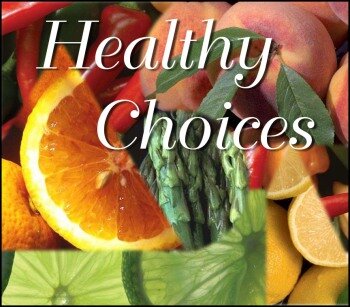
Avoiding some foods that are high in sugar like milk or fruit, would deprive you of vitamins, minerals, or fiber that can be helpful for blood sugar control, as well as overall health. When choosing any carbohydrates, opt for those with plenty of fiber and little processing. Do not focus on any one food or nutrient, but have a diet that includes lean proteins, heart-healthy fats, and a variety of carbohydrates. Whole grains, fruits, vegetables, and low-fat dairy products are great sources of carbohydrates that can play a role in a healthy diet, whether you are managing blood sugars or interested in making healthful food choices. Oranges, apples and lettuce all contain Calcium d-glurate, which can enhance liver enzymes so they are better able to block carcinogens. Fruits and vegetables are also a good source of fiber as are beans, wheat bran, and other whole grains. Studies have associated them with a reduced risk for breast cancer.
Back to Top
The Sweet Low Down
The average child will eat 1,500 peanut-butter and jam sandwiches before he or she graduates from high school and 3/4 of adults in the U.S. use some type of fruit spread. Shouldn't that spread be great tasting but lower in sugar for health? Strawberry is the most popular flavor so try these for better health:
Potaner All Fruit Strawberry--This fruit and fruit juice sweetened spread has an explosive strawberry flavor and rich texture with nice chunks of berries. Smucker's Low Sugar Strawberry Preserves--a smooth, vibrant color with appealing texture, it has a nice fruit taste, almost like a real strawberry. Downside is it has 'red 40' to enhance its color. Whole Kids Organic Strawberry spread--delicate and rich strawberry flavor with a good strawberry taste. Lower-sugar jams offer more nutrients, fiber and flavor.
Back to Top
The Healthy Senior
Q. Do grandparents get more colds than seniors without grandchildren?
I was unable to find any specific data on grandparents and colds. However, the National Institute of Allergy and Infectious Diseases reports that, in families with children in school, the number of colds per child can be as high as 12 a year. NIAID also reports that all people older than 60 average fewer than one cold a year. Put those over-60s in those homes with school children and it doesn’t take a mathematician to figure out that the number of colds in grandparents will jump significantly. Any grandparent will tell you that being around their little treasures has made them sick. My five pre-school grandchildren are generous with all the viruses they get from their friends at day care and play. My personal physician, also a grandfather, says that one of the problems is that these walking Petri dishes come up with new germs older people haven’t developed antibodies for.
What are you supposed to do when one of the darlings comes up to you with a runny nose and asks for a hug? Well, if you understand the hazards, perhaps you can formulate a plan that works for you around the treasured children of your children. Obviously the best course of action is to stay away from grandchildren when they have colds, but any grandparent knows that’s next to impossible. There are two ways you can catch a cold:
1. Inhaling drops of mucus full of cold germs from the air.
2. Touching a surface that has cold germs and then touching your eyes, nose or mouth.
So, avoid close facial contact with your ailing grandchildren. Use some restraint. If the child needs comfort, limit yourself to hugs that don’t put you in the position of inhaling their germs. Washing your hands thoroughly and often is important. Washing with soap and water doesn't kill the cold virus, but removes it. The scrubbing is more important than the soap. Also, if you can, try to avoid touching your face after you have been around a child with a cold. Rhinoviruses can live up to three hours on your skin, and on objects such as telephones and stair railings. Cleaning environmental surfaces with a virus-killing disinfectant might help prevent spread of infection.
Where are these viruses found most often? No, not in the bathroom. The worst room in the house for germs is the kitchen. And the greatest concentration is found in sponges and dishcloths. Laundering a dishcloth doesn’t eliminate germs. And putting a sponge through the dishwasher makes it look clean but doesn’t remove the infection. Instead, moisten the sponge or dishcloth and microwave it for two minutes. Then you'll have safe, germ-free tools to use. These tips will help, but the reality is that you’re going to catch some colds. They’re the price of being a caregiver. It’s the price you paid as a parent. Now you’re having a second chance for all that love...and all those germs. If you have a question, please write to fredcicetti@gmail.com.
FOIL-WRAPPED CHICKEN
This popular chicken appetizer is low in calories (56 calories per packet), fat and sodium. It is fun and easy to make; enlist your children to help fold the packets.
Ingredients you will need:
2 chicken breast halves, skinned, boned, and cut into 1/2 inch pieces.
1 tsp salt, 1 tsp sugar
1 tbls soy sauce
1/8 tsp ground ginger
1/8 tsp garlic powder
1 tsp white wine (opt)
1 tbls oil
6-inch squares of aluminum foil, doubled (2 layers)
Put chicken pieces in a bowl with all ingredients and marinate 1/2 hour to overnight. Put about 4 pieces of chicken on squares of foil (which is doubled) and spoon on a little reserved marinade. Fold over in a triangle. Fold edges twice to seal. Place on a cookie sheet and bake at 350 degrees for 25 to 30 minutes. Handle carefully-- hot!
Try this same technique with fish, pork or thinly sliced pieces of beef (cooking times will vary). Substitute vegetables, sliced or chunks, such as red bell peppers, zucchini, mushrooms, green beans, or potatoes and onions for a delightful side dish. You can even vary the spices and sauces you use; try a zesty, vegetable sauce instead of soy sauce. Have fun creating!
Summertime Focus
With an eye to summer and a slimmer, more youthful You, be sure to include the basics, the healthy focus--tart apples, green tea and weights! Green tea is not only good for your body, but it also may be good for your brain. In a study, older people who drank at least 2 cups of antioxidant-rich, green tea per day were about 50 percent less likely to develop cognitive impairment compared to the people who drank 3 or fewer cups per week.
Exercising regularly and keeping your brain busy with puzzles, books, and problem solving are other good ways to stay sharp. Take more walks, and strolls to decrease tension and anxiety, besides burning fat. Stay on your feet more, avoid sitting for hours without getting up and about; those extra hours on your feet can burn 350 calories a day. Give Yoga or some sort of exercise priority to increase your heart health, flexibility and to relieve stress. De-stressing is related to weight loss, reducing the stress-induced hormone cortisol, linked to greater abdominal fat. Drink water, it increases your metabolism and balances your life functions. Start your meals with salads; they are rich in fiber and water and help you eat less.
Reduce the amount of sugar you and your children eat daily, and stay away from high fructose. Try these natural and organic candies for better health: Candy Tree Organic Licorice Vines, softer and less sticky than Twizzlers, the flavor comes from real licorice root extract and anise seed oil. Newman's Own Organics Peanut Butter Cups, a thick layer of amazing organic milk chocolate, a dash of peanut butter, a true classic. Planet Harmony Gummy Bears, soft, chewy, fresh vibrant flavors. Turmeric, black carrot juice and grape skins provide natural color. Sunspire's Sundrops Chocolate Candies, an M&M type of creamy chocolate-centered candies, and crunchy shells with colorful, bright colors that come from beta-carotene. College Farm Organic Naturepops, made with organic fruit and cane sugar. Small size and not-too-sweet flavor earned parent's praise.
There are many healthy alternatives to many of the foods you eat. Spend some time making comparisons and be more aware of what you eat and how it affects your health.
Back to Top
HOME.
|
|
|

Amador Flower Farm

Murder in the Gold Country
 Support the fight Support the fight
against Breast
Cancer

Ione Pharmacy

Clear Water

The Shack Restaurant

Lockeford Jewelry
and Loan

2015 Music Circus

IMAX Theater

Waffle Shop

Howard's Body Shop

Ragtime Festival

Motherlode Appliance
|